Brake Pads vs. Discs: Key Questions Before Buying
Brakes, Brake Pads and Discs, Vehicle Safety
Brake Pads or Brake Discs? What to Ask Before Ordering Replacement Parts
The squeal when you slow down, a grinding noise, or that call from your mechanic: “Your front brakes need attention, please organise pads or discs.” Before you order anything for a safety‑critical system, a few key details must be confirmed. Brake pads and brake discs are different parts, they wear at different rates, are ordered separately, and must match the correct axle and position. Getting this right upfront prevents the wrong parts arriving and your car standing longer than necessary.
Brake Pads and Brake Discs — Not the Same Thing
At Morris Garage in Eastlyne, Pretoria, we speak to many customers who ask for “brake parts” and only find out at the workshop that they actually needed something different. It helps to understand how the main parts work together so you can explain clearly what you need.
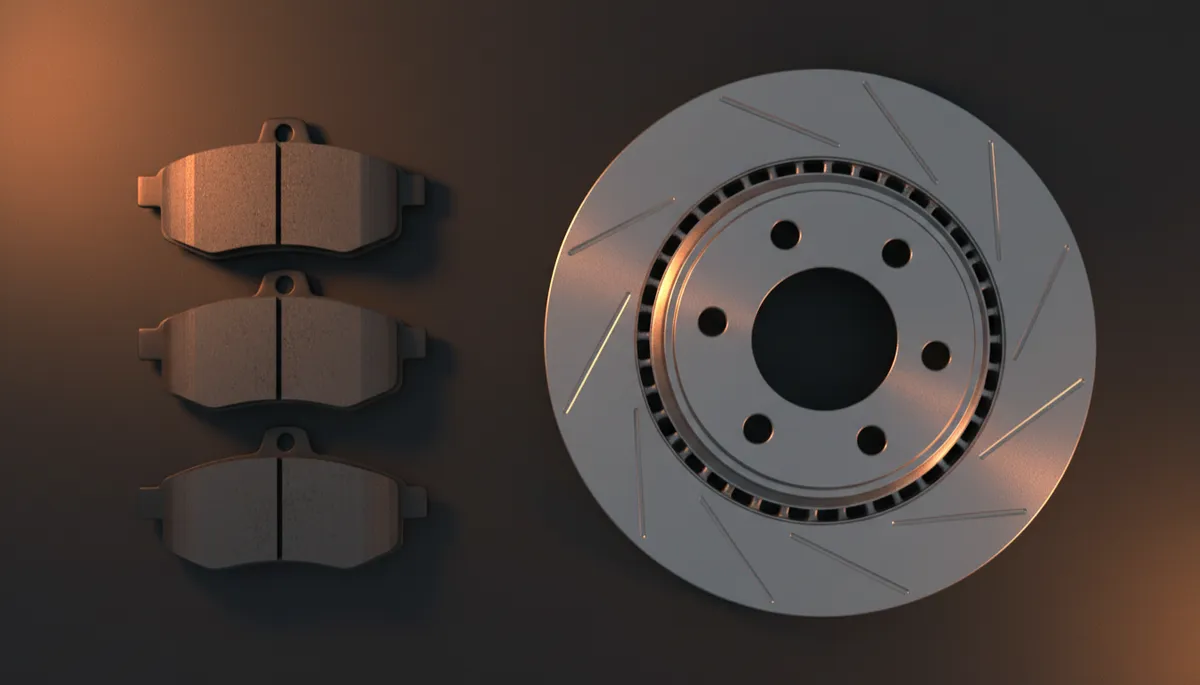
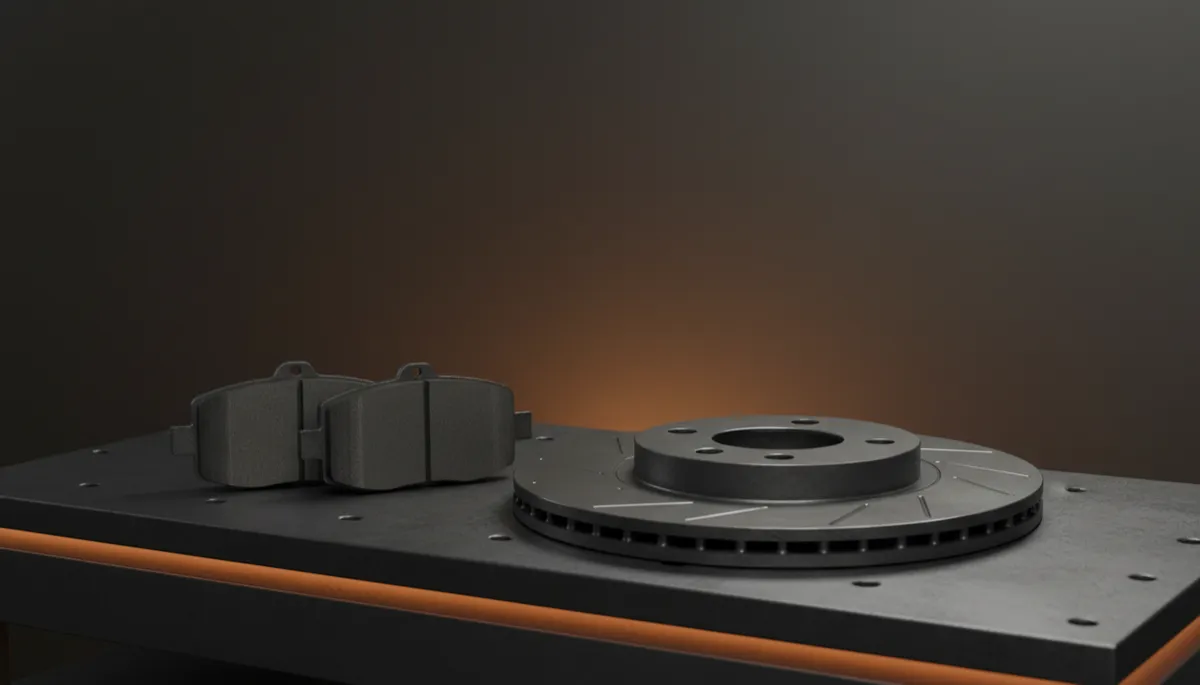
Brake pads are the flat friction blocks that press against the disc when you step on the pedal. They create the stopping force and are designed to wear down over time. Pads are the higher‑frequency replacement item — they are normally changed more often than discs in everyday driving. Many vehicles also use pad wear sensors to warn you when they are near the end of their life.
Brake discs (also called rotors) are the round metal discs that rotate with the wheel. The pads clamp onto the disc to slow the car. Discs are thicker and usually last longer, but they still wear down and can warp or become badly scored if worn pads are left on too long. Once they reach their wear limit, they must be replaced for safety.
Both pads and discs are vehicle‑specific in size and design. Even on the same car, a front disc is often different from a rear disc, and the pad shapes front and rear are usually not the same. That is why a proper parts enquiry always starts with your exact vehicle details and which axle needs attention. A qualified workshop should inspect both pads and discs before any replacement decision is made — brakes are safety‑critical and should not be guessed.
The Most Important Question: Front or Rear?
Your car’s braking system is split into front and rear axles. The front brakes usually do more work, especially under hard braking, so they tend to wear faster. Rear brakes still play a vital role in stability and stopping distance, but the parts are often smaller and sometimes a different design altogether.
Before ordering brake pads and discs, always confirm:
- Which axle needs replacement? Front, rear, or both. “Front pads” and “rear pads” are not interchangeable, even on the same model.
- What type of rear brakes you have. Many cars use discs in front and drums at the rear. Drum brake components (shoes, drums, cylinders) are completely different from disc brake pads and discs.
If you order front‑axle parts when the rear axle actually needs work, your mechanic cannot fit them, and your car stays off the road while you swap parts. A quick check with your workshop, or a photo of the existing setup, saves time and frustration.
Brake Pads — What to Confirm Before Ordering
Once you know whether you need front or rear pads, there are a few more details that help us quote the correct part first time:
- Quantity per axle: Brake pads are sold as a set for one axle — enough pads for both wheels on that axle. One box normally does the full front or full rear. Always confirm you are getting a full axle set, not just one side.
- Wear sensor: Many modern BMW, Mercedes‑Benz, Audi, Volkswagen, Chery, Haval and GWM models use an electronic wear sensor. Some pad sets include a new sensor, others do not. If your sensor has triggered a warning or the cable is damaged, confirm whether it is included in the pad kit or must be ordered separately.
- Directional pads: Some pads are designed to work on a specific side of the vehicle. Brembo explains that “Brembo directional brake pads were created to enhance the comfort of the braking system, so fitting them on the wrong side could reduce system performance” (bremboparts.com/europe/en). If your vehicle uses directional pads, a qualified technician must fit them on the correct side — another reason not to treat brakes as a DIY job.
- Friction compound: Pads come in different compounds — standard, ceramic, or performance. For normal South African road use, a quality OEM‑equivalent compound is usually the right choice. Brembo notes that its aftermarket range is designed to “the same technical standards of quality, reliability and innovation as the original equipment” (bremboparts.com/europe/en). Tell us how the vehicle is used so we can suggest a suitable quality level for your BMW, Mercedes‑Benz, Audi, Volkswagen, Chery, Haval or GWM.
Remember: even with the right pads, inspection and fitting should always be handled by a qualified workshop. They have the tools to check disc condition, caliper operation and brake fluid, not just the pads themselves.
Brake Discs — What to Confirm Before Ordering
Discs look simple, but there are important differences that matter when you order replacements. Your workshop should measure and inspect the discs before you commit to new ones. Key points to confirm include:
- Vented or solid: Front discs on many vehicles are vented, with cooling channels between two faces. Rear discs are often solid. Vented and solid discs are not interchangeable, even if the diameter looks similar. Confirm which type is fitted to your car before ordering.
- Minimum disc thickness: Every disc has a minimum thickness — a wear limit below which it must be replaced. Brembo’s catalogue includes a topic on minimum brake disc thickness and confirms this is a real, vehicle‑specific specification, normally stamped on the disc itself (bremboparts.com/europe/en). Your workshop should measure disc thickness and compare it to this value before deciding whether the disc can safely stay in service. We do not guess or invent thickness numbers — we always follow the stamped or catalogue specification.
- Disc type: Brembo’s range includes standard discs and performance options with drilled holes or grooves for improved heat dissipation (bremboparts.com/europe/en). For most daily drivers in Pretoria, a good quality standard disc is ideal. Performance variants are more suited to heavy‑duty or enthusiastic driving. Match the disc type to how the vehicle is actually used, and always let a professional workshop fit and bed‑in the new discs.
What to Send for an Accurate Brake Parts Quote
The more information you send us upfront, the faster we can match the correct brake pads and discs and confirm pricing and availability. Here is a simple checklist:
- Vehicle make, model, year and, if possible, engine code or exact variant (for example, BMW 320d F30, 2015).
- Which axle needs attention: front, rear, or both.
- Rear brake type: disc or drum, confirmed by your workshop or a clear photo.
- Whether you need pads, discs or both, based on a professional inspection report.
- Whether wear sensors are needed, and if your chosen pad set includes them or not.
- Part number from the existing component if accessible — a clear photo of the disc or pad box label is perfect.
- For discs: whether they are vented or solid, confirmed from the existing disc or by your workshop.
- Condition: new parts only. For brake components, we strongly recommend new, quality parts every time.
We also use trusted catalogues, including the vehicle‑specific search at bremboparts.com/europe/en, to double‑check compatibility before we quote. That way you get honest service, quality spares and fair prices — with confidence that the parts are right for your car.
A Note on Used Brake Components
At Morris Garage, we supply both new and used parts for many systems, but brake pads and discs are different. They are safety‑critical components. Used pads have an unknown remaining friction thickness and may have been overheated or contaminated. Used discs might already be below minimum thickness or have cracks and surface damage that are not obvious at first glance.
For this reason, we strongly advise against using second‑hand pads or discs on any vehicle. Your brakes are the last place to cut corners. Always choose new, quality brake components and have them inspected and fitted by a qualified workshop or brake specialist.
Brake Pads and Discs — Common Questions
Q1: Do I always need to replace pads and discs together?
Not always. Pads usually wear faster. A disc that is still above its minimum thickness and has a good surface may be serviceable with new pads. A disc that is warped, badly scored or at its wear limit should be replaced regardless of pad condition. A qualified workshop must measure disc thickness and inspect the surface before deciding.
Q2: My rear brakes are drums — what parts do I need?
Drum brakes use brake shoes (not pads) and a drum (not a disc), plus hardware like springs and wheel cylinders. These parts are completely different from disc brake components. Before you enquire, confirm whether your rear brakes are drums or discs, or ask your mechanic to note it on the job card.
Q3: Can I order just pads and skip the discs if money is tight?
If your discs are above minimum thickness and the surface is in acceptable condition, pads alone may be fine — but this must be confirmed by a workshop measurement. Fitting new pads on worn or damaged discs can cause noise, vibration and faster pad wear. Let a professional inspect both and then decide what actually needs replacing now and what can wait.
Q4: How do I know whether brake components are genuine, OEM or aftermarket?
Always ask the supplier to confirm the brand and quality level. Brembo, for example, states that its aftermarket range is designed to “the same technical standards of quality, reliability and innovation as the original equipment” (bremboparts.com/europe/en). Reputable aftermarket brands clearly identify their products. Before you confirm an order, know exactly which brand you are buying and which quality tier it falls into.
Ready to Order? Here Is What to Send Us
Need help finding the right part? Send Morris Garage your vehicle make, model, year and the part you need. Add the engine details, part number or a photo if available, and request a compatibility, availability and price check.
Chat with us on WhatsApp — we are here to help you match the correct brake pads and discs for your BMW, Mercedes‑Benz, Audi, Volkswagen, Chery, Haval or GWM.
Morris Garage / Spares Boys Pretoria · 199 Stormvoel Road, Eastlyne, Pretoria, Gauteng
An enquiry does not reserve stock or confirm compatibility.