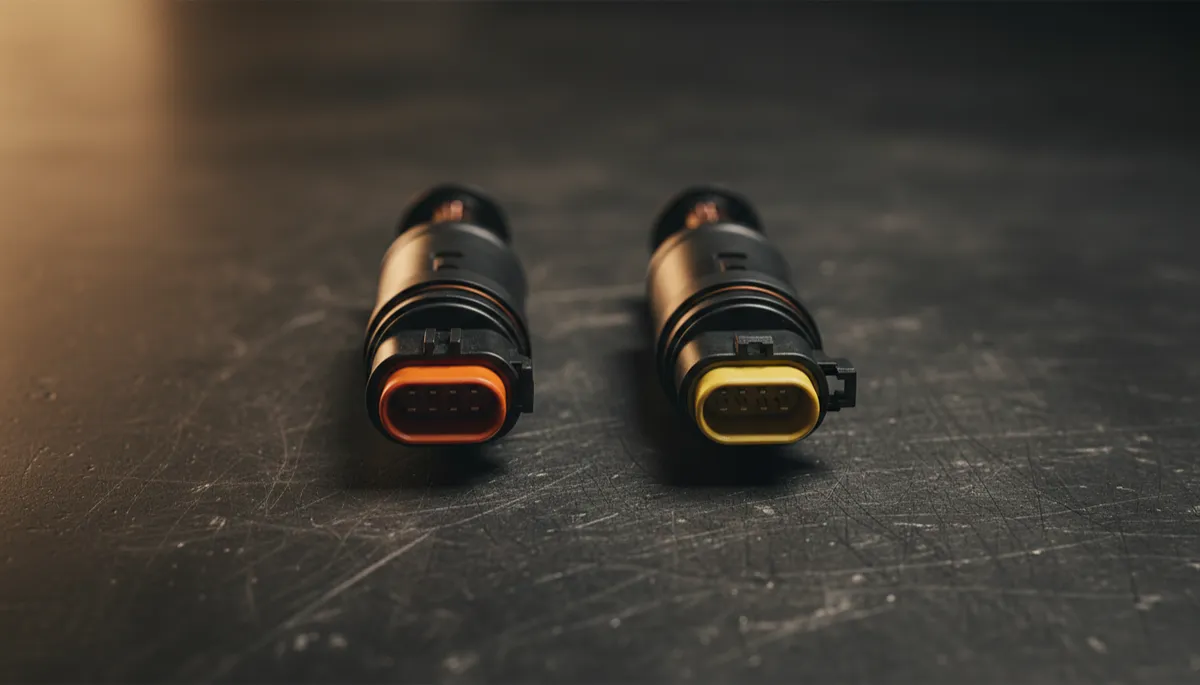
Car Part Fitment: Beyond Make, Model & Year
Car Parts, Fitment Advice, Morris Garage Pretoria
Will This Part Fit My Car? Why Make, Model and Year Are Not Enough
You order a part for a “BMW 3 Series, 2012.” It arrives, you strip the car, line up the new part… and it does not fit. Same model, same year, but that 3 Series was built with three different engines, each using different filters, sensors and pumps. We see this every week at Morris Garage in Pretoria. Make, model and year help us narrow things down, but they do not confirm fitment. Proper fitment comes from matching the correct data to the correct part number for your exact vehicle configuration — not just what it looks like.
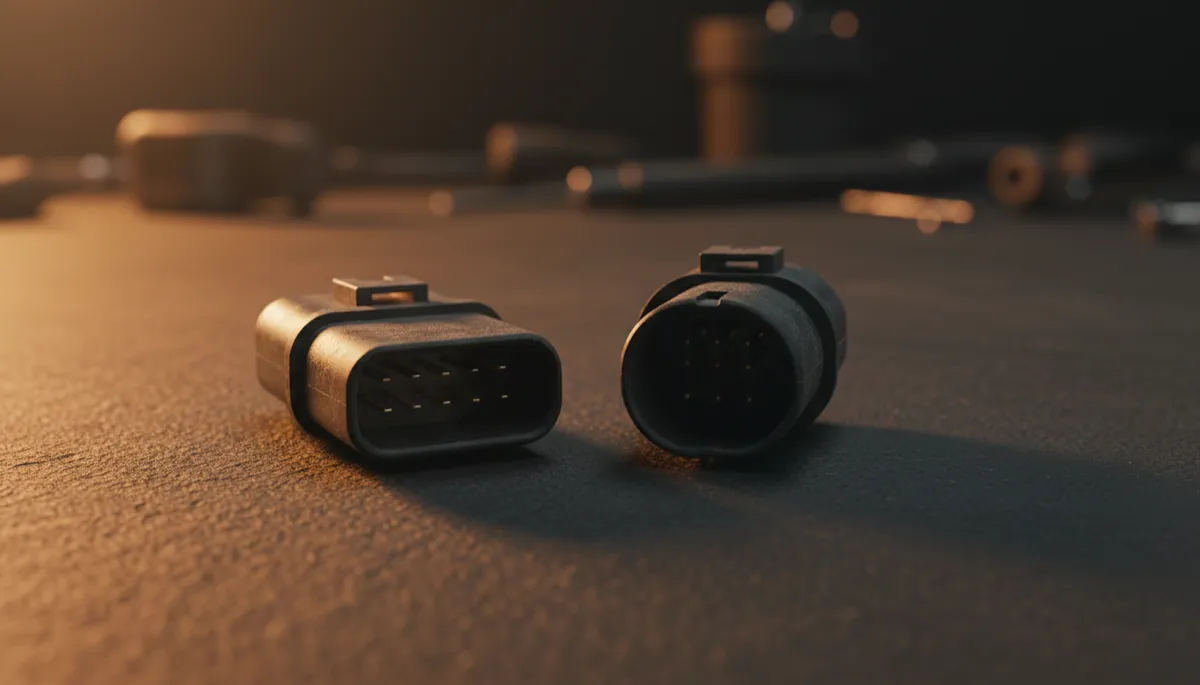
Why Make, Model and Year Are Just the Starting Point
A single model name can cover many different versions. One “C‑Class” or “Golf” might have several engine options, different body styles and different equipment levels, all in the same year. On top of that, the “same” car sold in South Africa and Europe can use different part specifications. Even two cars built in the same year, but in different months, can take different parts. So when a supplier uses only make, model and year, they are making an educated guess. A proper car part compatibility check needs more detail to be sure.
The Five Details That Actually Confirm Fitment
- 1. Engine code — This is the most important single identifier. An engine code tells us exactly which engine is in your vehicle: displacement, fuel system and configuration. Two 2015 Audi A4s can both be 2.0 petrol on paper, but with different engine codes they will take different filters, gaskets, belts, pumps and many other parts. You can usually find the engine code in your service booklet, on your registration certificate, or stamped on the engine block. Leading catalogues, like the MANN‑FILTER online catalogue at mann-filter.com, list engine code as a required field together with make, model and year to select the correct filter. That is how important it is for a reliable car part compatibility check.
- 2. Build date / production date — This is not the same as model year. Manufacturers often update part designs during a production run. A Mercedes‑Benz built in January and another built in October of the same year can use different parts in certain systems, even if the brochure name is identical. The build date is normally on a sticker inside the driver’s door frame. When we know your build date, we can see which side of a change your car falls on and choose the correct part number accordingly.
- 3. Body variant and equipment specification — Saloon, estate, coupé and hatchback versions of the same model do not always share the same parts. Suspension, exhausts, wiring and even bumpers can differ. The same goes for equipment levels: a Volkswagen with parking sensors, or a BMW with a specific audio or climate system, can use different sensors, looms or control units compared to the “basic” version. Brembo’s parts catalogue at bremboparts.com uses detailed vehicle specifications — and, in some markets, number plate data — to match brake parts, because that registration data includes body and equipment details. We follow the same logic when we check your specification here in Pretoria.
- 4. The part number from the original part — If the old part is still on the vehicle or lying on your bench, this is gold. Take a clear photo of any numbers stamped, printed or cast onto it. That original part number is the most direct route to the correct replacement, whether it is BMW, Mercedes‑Benz, Audi, Volkswagen, Chery, Haval or GWM. We can cross‑reference from that number into our catalogues and stock. This is usually more reliable than searching by model name alone, especially for small changes that are hard to see by eye.
- 5. VIN (Vehicle Identification Number) — Your 17‑character chassis number encodes how your vehicle left the factory: market, engine, body, transmission and equipment. When we run a VIN search or use a VIN decoder, we get the full specification in one go. For modern cars with many options, this can be the cleanest way to confirm exactly which parts apply. You will find the VIN on your registration papers and usually on the dashboard, visible through the windscreen.
When Two Parts Look Identical but Are Not
Many parts from the same model range look almost the same in your hand, yet are not interchangeable. Two sensors might share the same body shape, but have different connectors or different thread pitches. Two filters might be the same size, but built for different flow rates. Brake pads can share the outline, but have different friction specifications or fitting hardware. Brembo’s guidance on directional brake pads, for example, explains that if you fit those pads on the wrong side of the vehicle — even with the correct part number — braking performance can drop (source: bremboparts.com). Appearance is not confirmation. A part number that matches your exact vehicle specification is confirmation.
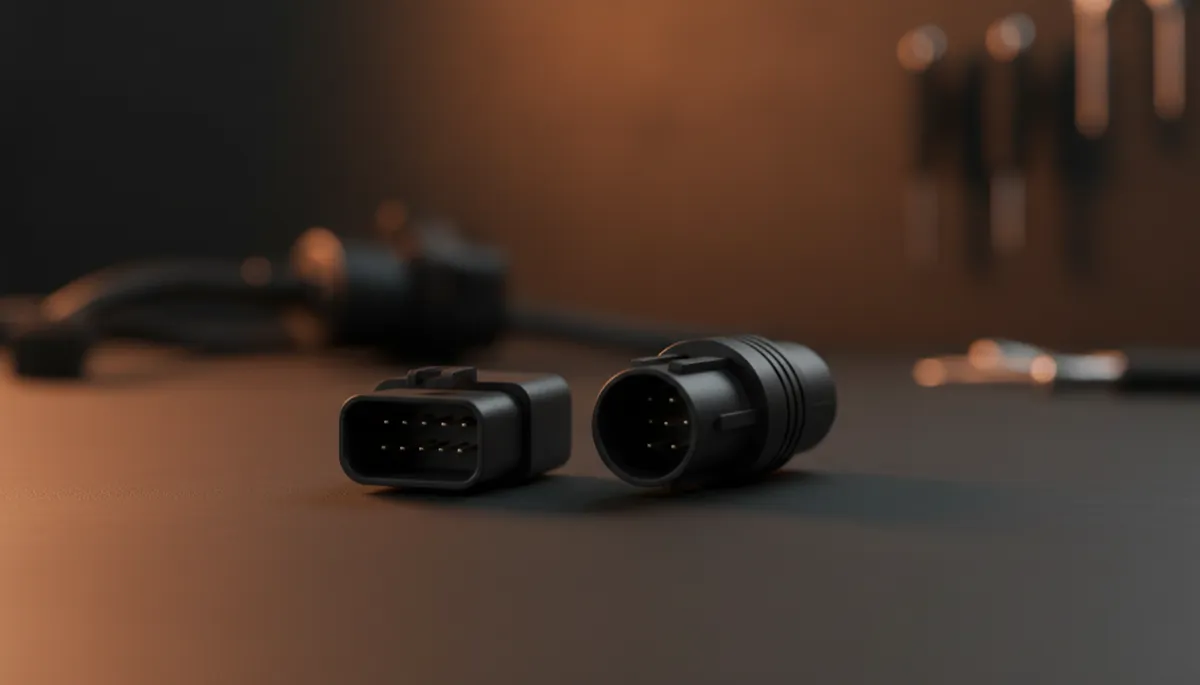
Similar shape does not guarantee compatibility; connector and spec differences matter.
What “It Fits” Actually Means — and What It Does Not
When a seller says, “it fits,” they should mean the part number has been matched to your vehicle’s make, model, year, engine code and, where needed, build date and body or equipment variant. It should not mean “it looks the same,” “it came off a similar car,” or “it fits most models in that range.” Those are guesses, not a proper car part compatibility check. Ask your supplier what they based their answer on. If they cannot tell you which details they used, contact us at Morris Garage — we will explain exactly what information we need to confirm fitment properly.
How to Get the Right Information Before You Order
- Check your service booklet or registration certificate for your engine code.
- Find your build date on the sticker inside the driver’s door frame.
- Note your body style (saloon, estate, hatch, coupé), fuel type and any important equipment options, like parking sensors or special climate control.
- Photograph the part number on the old part if it is still accessible before it is thrown away.
- Have your VIN ready — it is on your registration papers and usually on the dashboard, visible through the windscreen.
- When in doubt, send us all of this information and ask before you order. We will help you avoid returns, delays and rework on the lift.
FAQs
My mechanic says this part fits — is that enough?
A qualified mechanic who knows your exact vehicle specification and checks the part number against your engine code and build date is a strong source of confirmation. That is proper fitment, not guesswork. But if they are going only on model name — “it’s for a 2014 C‑Class, it should be fine” — ask them to double‑check the part number against your engine code or VIN, or let us do that check for you.
Can I use my number plate to find the right part?
In some countries, parts catalogues can pull full vehicle data from the number plate. Brembo, for example, supports number plate search in markets where registration data is available. In South Africa, this lookup is not available in every parts system. For now, your engine code and VIN are more reliable for a correct car part compatibility check, especially on BMW, Mercedes‑Benz, Audi, Volkswagen, Chery, Haval and GWM models we see in Pretoria.
What if the old part is already off the vehicle?
If possible, photograph any numbers on the part before it leaves the workshop or gets thrown away. Even a slightly dirty label can often be read if the picture is clear. If that is no longer possible, bring us as much detail as you can: engine code, VIN, build date, body style and fuel type. We will then use our catalogues and experience to narrow down the correct part options with you.
Why do two parts with the same shape sometimes have different part numbers?
Manufacturers often build visually similar parts to different specifications. One may use different materials, tighter tolerances, a different connector type or a different flow rate. Those differences are encoded in the part numbers. If two parts have different numbers, they are not treated as interchangeable, even if they look almost identical. That is why we always respect the part number that matches your vehicle specification, instead of judging by appearance alone.
Send Us Your Details — We Will Check Before You Order
Need help finding the right part? Send Morris Garage your vehicle make, model, year and the part you need. Add the engine details, part number or a photo if available, and request a compatibility, availability and price check.
Morris Garage / Spares Boys Pretoria · 199 Stormvoel Road, Eastlyne, Pretoria, Gauteng
An enquiry does not reserve stock or confirm compatibility.