New vs Used Car Parts: Choose Wisely for Repairs
Car Spares, New vs Used Car Parts, Pretoria
New or Used Car Parts: How to Choose for Your Repair and Budget
New vs used car parts can be a tough call. In this guide, we at Morris Garage in Pretoria walk you through condition, safety, cost and fitment so you can choose with confidence for your BMW, Mercedes-Benz, Audi, Volkswagen, Chery, Haval or GWM.
You take your car to a mechanic. They phone you with a quote: “We can fit a brand-new part, or we can save you money with a good used one.” Now you must decide, but you are not sure which way to go. We hear this every week at Morris Garage / Spares Boys Pretoria. The honest answer is that the right choice depends on which part it is, what condition it is in, how long you plan to keep the car, and your budget. Neither new nor used is always right or always wrong.
First, Get the Terminology Right
Before you compare new vs used car parts, it helps to speak the same language as your mechanic or parts supplier. Here are four key terms explained in simple words.
- New: This part has never been used on a vehicle. It has just been manufactured and should be free from wear and tear. New parts can be genuine (OEM) or aftermarket, and the price and warranty usually reflect that difference.
- Used (second-hand): This part has been removed from another vehicle, often one that was written off or stripped. It may still have plenty of life left, or it may be near the end of its service life. The condition must be checked carefully.
- Genuine / OEM: OEM stands for Original Equipment Manufacturer. These parts are made by or for the vehicle manufacturer to the original design. For example, Audi South Africa notes that its genuine parts “are created during the development of your Audi” and carry a two-year warranty when supplied through authorised Audi dealers (audi.co.za/en/audi-service/audi-genuine-parts/). This warranty detail is specific to Audi genuine parts from authorised dealers and does not automatically apply to other brands or to used parts.
- Aftermarket: These parts are made by independent manufacturers, not by the vehicle brand itself. Aftermarket is not the same as “cheap and nasty” – some brands are excellent, others are average. Specs, materials and quality can vary, so it is important to know which brand you are getting.
It is also important to understand that new and OEM are separate ideas. A new aftermarket part is not the same as a used genuine part. You could have: new OEM, new aftermarket, used OEM or used aftermarket. When you compare options, make sure you know both the condition (new or used) and the type (OEM or aftermarket).
When a New Part Is Usually the Better Call
There are some situations where paying more for a new part is normally the smarter move, even when money is tight.
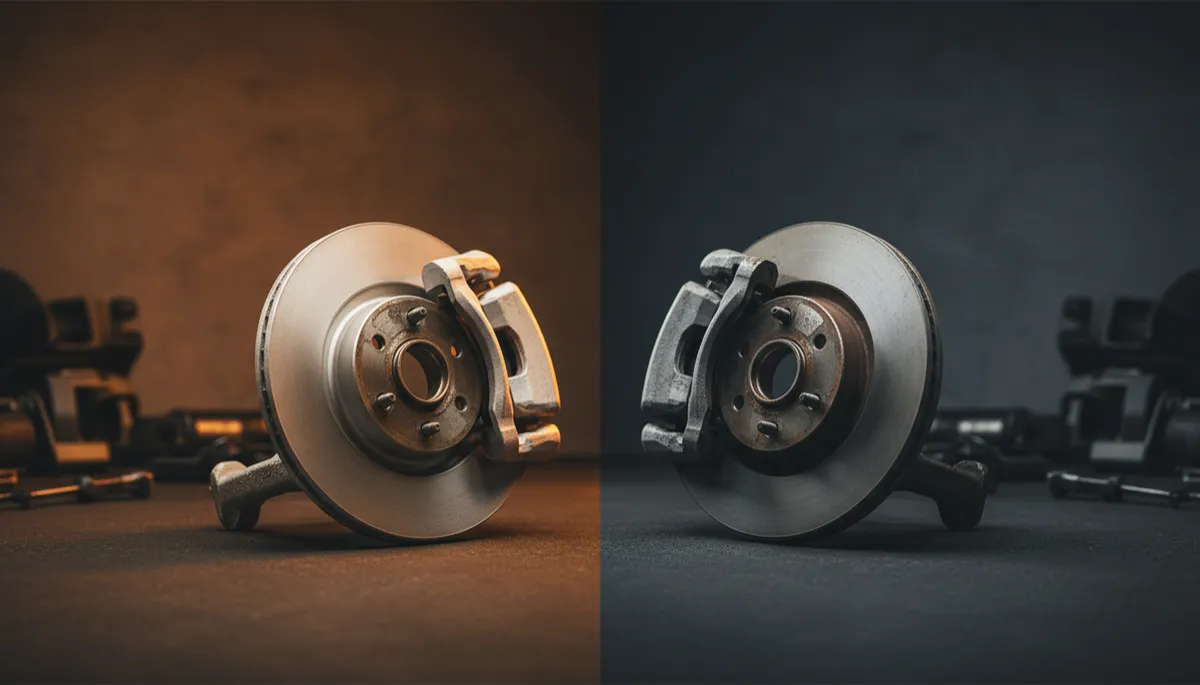
- Safety-critical components: Brakes (pads, discs, calipers), steering components, wheel bearings and airbag parts are all safety-critical. A failure here can cause a serious accident. Used parts in these categories require very careful professional assessment before use, and in many cases a new part is the safer long-term choice.
- Long-term ownership: If you plan to keep the vehicle for several years, a new part might cost more now but save you later. It is more likely to last the rest of the time you own the car, especially on modern BMW, Mercedes-Benz, Audi, Volkswagen, Chery, Haval and GWM models where labour and strip time can be high.
- Seals, gaskets, belts and filters: These items wear from use and from age. A used seal, timing belt or old filter might look fine but still have very little safe life left. For these service parts, new is usually the wise option, even on older cars.
- Parts that are difficult or expensive to access: If your mechanic must strip half the engine bay to reach a component, the labour bill will be big whether the part is new or used. In that case, fitting a part that fails quickly can make the total repair far more expensive. A new, high-quality part reduces the risk of doing the job twice.
- Warranty coverage: New parts, especially genuine OEM, often come with a manufacturer or supplier warranty, although the exact terms vary by brand and where you buy. Used parts generally do not have that same level of backing, so the risk sits more with you and your workshop.
When a Used Part Can Be the Right Choice
At the same time, used parts help many South African drivers keep their cars on the road. With prices of new components rising, a good second-hand part can make the difference between fixing the car and parking it for months.
- Older or high-mileage vehicles: If your car already has high mileage and you do not plan to keep it for many more years, fitting a brand-new part may not be cost-effective. A quality used item that matches the remaining life of the vehicle can be a sensible compromise for your budget.
- Rare, discontinued or high-cost parts: Some parts for older BMW, Mercedes-Benz or Audi models are discontinued or extremely expensive when bought new. In those cases, a tested used part may be the only practical option to get the car back on the road without spending more than the vehicle is worth.
- Non-safety-critical components: Body panels, mirrors, trim pieces, interior parts, sensors and electronics often still have a lot of life left when removed from a written-off vehicle. A used door, headlight or control unit can save you thousands compared to a new part, especially on modern vehicles with complex lighting and electronics.
- Budget constraints with professional assessment: Many car owners, workshops and panel beaters must work within strict insurance or cash budgets. A used part that has been properly inspected and approved by a qualified mechanic can be a reasonable choice for the right component.
The important point is this: being used and being unsafe are not the same thing. Condition, correct specification and professional inspection determine suitability – not the label “new” or “used” on its own.
What to Check Regardless of Which You Choose
- Confirm the part number matches your exact make, model, year and engine variant – especially on BMW, Mercedes-Benz, Audi and modern Chinese brands where small differences matter.
- Inspect used parts in person before paying where possible. Look for cracks, corrosion, bent brackets, oil leaks, broken plugs and missing components such as sensors or brackets.
- Know whether you are buying new or used before agreeing to a price. Ask the supplier to confirm this clearly on the quote or invoice so there is no confusion later.
- Ask about return or exchange terms in writing. Policies differ between suppliers, and used parts often have more limited options than new ones.
- For safety-critical parts, have a qualified mechanic assess any used component before fitting. Their experience can pick up signs of stress or damage that are easy to miss.
- Remember that an enquiry – even with photos and part numbers – does not by itself confirm stock or compatibility. Final confirmation only happens once the exact part is checked against your vehicle details.
A Practical Framework: Safety-Critical vs Non-Safety-Critical
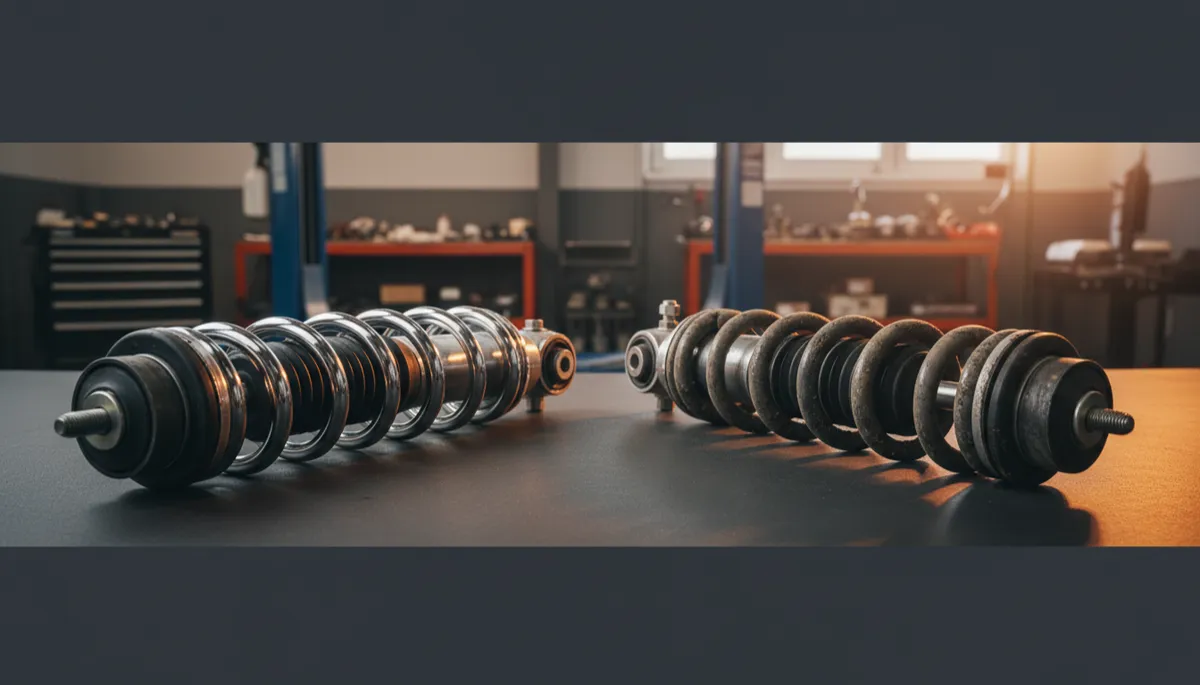
One of the most useful ways to think about new vs used car parts is to divide them into safety-critical and non-safety-critical. Safety-critical parts are those where failure creates a direct risk of an accident or injury – for example brakes, steering, suspension components and airbags. Non-safety-critical parts, such as body panels, trim, mirrors and many electronics, do not carry the same immediate risk if they fail. Starting with this safety view, and then looking at condition, price and how long you will keep the car, is often better than only asking, “new or used?”
| New Part | Used Part | |
|---|---|---|
| Price | Generally higher | Generally lower |
| Warranty | Often included (varies by brand) | Rarely included |
| Condition certainty | High | Depends on inspection and source |
| Best for safety-critical use | Yes | Only with professional assessment |
| Best for older / budget repairs | Sometimes | Often suitable if inspected |
| Availability | Wide for common models | Better for rare/discontinued parts |
FAQs
Q1: Is a used car part safe to fit?
Safety depends on the specific component, its condition and professional inspection – not simply whether it is new or used. Safety-critical parts like brakes, steering and suspension need careful assessment before fitting, regardless of their age or source.
Q2: Do used car parts come with any warranty?
Used parts generally do not carry a manufacturer warranty. Some suppliers may offer limited exchange or return terms, but these vary. Always ask about the policy and get it in writing before you buy.
Q3: What does OEM mean, and why does it matter?
OEM (Original Equipment Manufacturer) means the part was made by or for the vehicle manufacturer to the original specification. Whether new or used, an OEM part was built to fit and function as the original did. Aftermarket parts are produced by other manufacturers – quality can be very good, but it depends on the brand and specification, so it is worth checking what you are getting.
Q4: How do I know which option is right for my car?
Send us your vehicle details – make, model, year and engine code – along with the part you need. We will help you understand what is available, what condition it is in, and what affects the price, so you can make an informed decision that suits your repair and your budget.
Need Help Deciding Which Part Is Right for You?
Need help finding the right part? Send Morris Garage your vehicle make, model, year and the part you need. Add the engine details, part number or a photo if available, and request a compatibility, availability and price check.
Morris Garage / Spares Boys Pretoria · 199 Stormvoel Road, Eastlyne, Pretoria, Gauteng
An enquiry does not reserve stock or confirm compatibility.