
Oxygen Sensor Fault Code: More Than a Sensor Issue
Automotive Parts, Oxygen Sensor Fault Code, Engine Management
Oxygen Sensor Fault Code? Why Replacing the Sensor May Not Fix It
You plug in a scan tool and see an oxygen sensor fault code. The usual reaction is to order a new O2 sensor, fit it, clear the code and hope for the best. Then the warning light comes back a few days later — same code, same problem. An oxygen sensor fault code means the engine control unit picked up an issue in the sensor circuit or the exhaust readings it sees. It does not automatically confirm the sensor itself has failed. Understanding the other possibilities — and choosing the correct sensor position — helps you avoid wasted parts and repeat visits.
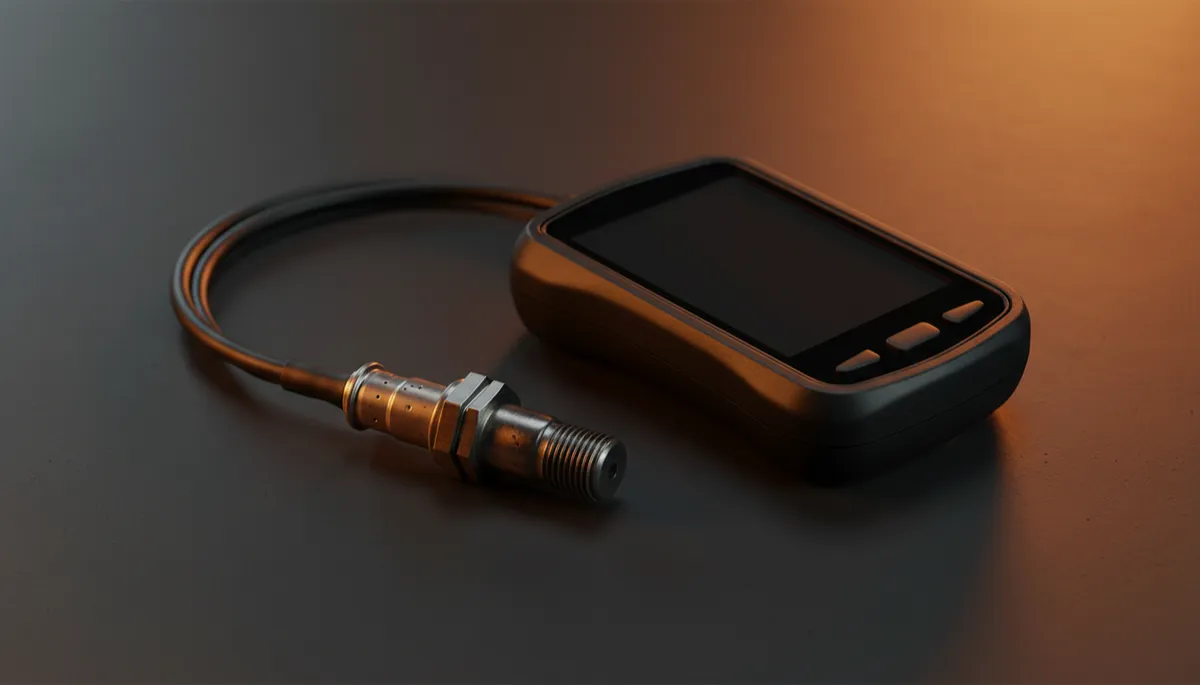
What an Oxygen Sensor Does
An oxygen sensor, also called a lambda sensor, sits in the exhaust and measures how much oxygen is left in the exhaust gas. That signal goes to the engine control unit (ECU). The ECU uses it to fine‑tune the fuel‑air mixture so the engine runs efficiently and keeps emissions under control.
When the reading is far outside the expected range — too rich or too lean for too long — the ECU stores an oxygen sensor fault code. Common OBD‑II families include P013X for O2 sensor signal issues and P017X for fuel trim problems. But that out‑of‑range reading can be caused by the sensor itself or by other conditions that change the exhaust gas the sensor is measuring. The code tells you where to look, not what part to buy first.
What Else Can Trigger an Oxygen Sensor Code
At Morris Garage in Eastlyne, Pretoria, we often see customers arrive with an oxygen sensor fault code and a printout from a scan tool. We are a parts supplier, not a workshop, so we do not diagnose your vehicle — but we do want you to understand that this code can be caused by several different issues. Professional inspection is strongly recommended before you order parts. Here are some of the common possibilities.
Actual Sensor Failure
One cause may be that the oxygen sensor itself has reached the end of its life. Over time the internal sensing element can degrade. Possible causes include contamination from oil, coolant or silicone sealants, or an electrical fault in the heater circuit or signal wire. In these cases, replacing the sensor can be the correct repair — once a proper diagnosis confirms it. But it is only one of several possible reasons for an oxygen sensor fault code, not an automatic answer every time the light comes on.
Exhaust Leak Before the Sensor
Another common cause can be an exhaust leak upstream of the sensor. A cracked manifold, loose flange or damaged flex section lets outside air into the exhaust stream. That extra oxygen makes the sensor reading look lean, so the ECU sets a fault code even though the sensor is working correctly. An exhaust leak before the sensor should be ruled out by a workshop before you spend money on a new O2 sensor that will not solve the problem.
Wiring and Connector Faults
The oxygen sensor talks to the ECU through a wiring harness and a plug. A damaged wire, melted insulation, a corroded connector or a poor earth can all cause signal problems. The ECU then logs an oxygen sensor fault code because it sees an electrical issue in that circuit. Replacing the sensor does not repair a broken wire or dirty connector. Technical resources from sensor manufacturers such as HELLA highlight that sensor circuit integrity — wiring and connector condition — is a key part of any diagnostic process, alongside testing the sensor itself. A qualified technician can check this safely with the right tools.
Fuel Mixture Problems From Another Source
An O2 sensor only reports the result of combustion. If the engine is already running too rich or too lean, the sensor will correctly show that. Possible causes include a sticking or leaking fuel injector, a fuel pressure regulator that is out of spec, or air‑metering problems from a mass air flow (MAF) or manifold absolute pressure (MAP) sensor. In these cases, the oxygen sensor fault code is a messenger. Swapping the sensor will not fix a fuel or air‑metering fault elsewhere in the system.
Catalytic Converter Deterioration
Modern vehicles usually have a downstream oxygen sensor after the catalytic converter. Its job is to monitor how well the converter is working. If the catalytic converter is worn, blocked or damaged, the downstream sensor may trigger codes even though it is doing its job perfectly. In that situation, the sensor is telling the truth about a weak converter. Changing the sensor alone will not restore converter efficiency. A workshop can test converter performance before you order any parts.
Vacuum Leaks
A vacuum leak — for example, a cracked intake hose or a loose breather pipe — allows unmetered air into the engine. That extra air leans out the mixture, which the oxygen sensor picks up. Possible results include fuel trim codes and oxygen sensor‑related codes, even though the sensor and its wiring are fine. Again, only a proper inspection can separate a vacuum leak from a genuine sensor fault.
Sensor Position — Getting the Right One for the Right Location
Even when the oxygen sensor has truly failed, ordering the wrong position is a very common and very frustrating mistake. Most modern cars have more than one O2 sensor. There is usually at least one upstream sensor before the catalytic converter to monitor combustion, and one downstream sensor after the converter to monitor its efficiency.
On V‑type engines such as many V6 and V8 models, there are two banks of cylinders — Bank 1 and Bank 2. Each bank can have an upstream and a downstream sensor, so a single vehicle may have four oxygen sensors. The fault code normally tells you both the bank and the position, for example “Bank 1 Sensor 1” (upstream on Bank 1) or “Bank 2 Sensor 2” (downstream on Bank 2).
Sensors for different positions can look very similar but still be different. The connector plug, wire length, thread and even the sensor type can vary. To avoid returns and delays, always confirm the exact position from the fault code, then match that to your vehicle’s make, model, year and engine when you order from us.
What to Confirm Before Ordering a Replacement Sensor
- The exact oxygen sensor fault code, including bank and position (for example, Bank 1 Sensor 1 or Bank 2 Sensor 2).
- That a professional diagnosis has pointed to the sensor itself, not to wiring, exhaust leaks, vacuum leaks or fuel‑system faults.
- Your vehicle details: make, model, year and, where possible, the engine code or VIN.
- The part number on the existing sensor if it is safely accessible — a clear photo of the label helps us cross‑reference quickly.
- Whether your engine is a V‑type or inline layout, as this affects how many banks and sensors it has.
Ordering the Right Sensor — OEM, Aftermarket and What Matters
Oxygen sensors are engine management components. Both quality and correct application matter. For BMW, Mercedes‑Benz, Audi, Volkswagen, Chery, Haval and GWM we can supply OEM and reputable aftermarket sensors, depending on availability and your budget. Used O2 sensors are generally not recommended as replacements. The sensing element has a limited service life, and a used sensor of unknown age offers no guarantee of how long it will last in your car.
When you order, choose a new sensor and make sure it matches your specific bank, position and engine. Fitting should be done by a workshop with the correct tools, including the proper O2 sensor socket and the right precautions for working on hot exhaust parts. That way you protect both your new part and your vehicle.
FAQs — Oxygen Sensor Fault Code Questions
1. Can I clear the fault code and see if it comes back?
A workshop may clear a code as part of diagnosis to see if it returns, but clearing a code without fixing the cause is not a repair. If the underlying issue is still there, the oxygen sensor fault code will usually come back once the ECU has completed its monitoring cycle. If your warning light returns, the vehicle needs proper inspection rather than repeated resets.
2. My car is using more fuel than usual — could it be an oxygen sensor?
Higher fuel consumption can be one consequence of an O2 sensor signal problem. If the ECU does not get accurate feedback, it may run a richer mixture to protect the engine and catalyst. But many other faults can also increase fuel use. A scan for codes is a good first step, followed by a proper diagnostic plan from a mechanic or workshop you trust.
3. Do all four O2 sensors need to be replaced at the same time?
No. In most cases you only replace the sensor identified by the fault code and confirmed by testing. The other sensors do not have to be changed at the same time unless they have their own codes or have been checked and found to be near the end of their service life. Replacing all of them “just in case” is usually unnecessary expense.
4. I found a generic O2 sensor — will it fit my car?
Oxygen sensors are not universal. Thread size, connector type, wire length and even sensor technology (for example, narrowband versus wideband) differ between vehicles. A generic sensor that does not match your car’s specification may not fit properly or may not communicate correctly with the ECU. Always confirm the part reference against your exact make, model, year and engine before you order or fit a sensor.
Have a Diagnosis? Here Is What to Send Us
Need help finding the right part? Send Morris Garage your vehicle make, model, year and the part you need. Add the engine details, part number or a photo if available, and request a compatibility, availability and price check.
Chat with us on WhatsApp for quick assistance during business hours.
Morris Garage / Spares Boys Pretoria · 199 Stormvoel Road, Eastlyne, Pretoria, Gauteng
An enquiry does not reserve stock or confirm compatibility.